Or for anyone who isn’t Indigenous? Will there be any benefit to us from the Voice?
Personally, I don’t need to get anything from the Voice. I’m okay with doing something just because it’s the right thing to do, not because it’ll help me in some way. But I do actually think the Voice will make things a little bit better for the rest of us too. And it’s because of what I’ve learned in my job.
If you don’t know already, I’m a digital Accessibility consultant. That means I help my clients fix their websites so that people with disabilities can use them. And through that job, I’ve learned a bit about designing things so that they work for as many people as possible.
The curb cut effect
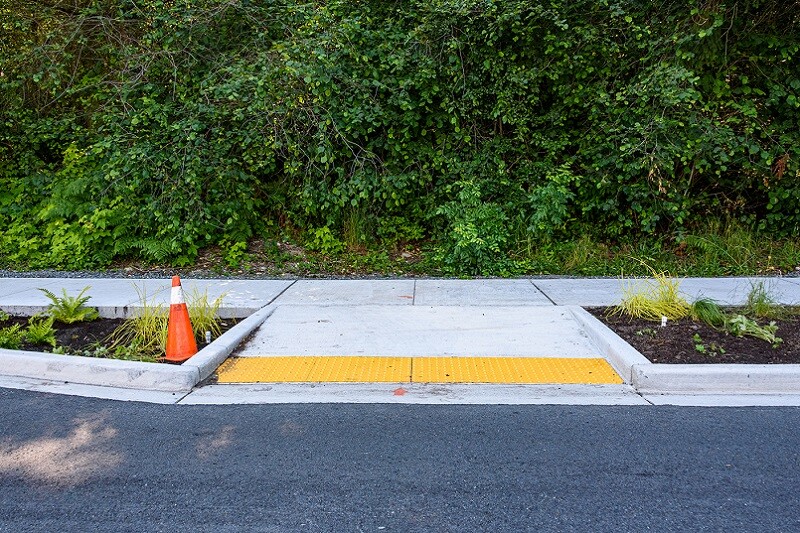
One of the best examples we talk about at work is curb cuts. They were first invented after World War 2, when returning veterans organised for better access to the towns they lived in. They took off as a concept in the 70s, when some wheelchair users at the University of California got together with some engineering students and did a little DIY. They went to the city’s main intersection in the middle of the night and made their own curb cuts, so it was easier to cross the roads. I heard they used jackhammers, but the American History Museum says they added asphalt ramps. Nowadays cities do this on purpose. If you’ve ever been pushing a pram, or had a broken leg and were walking on crutches, you were probably grateful for a curb cut. They’re designed for wheelchair users, but parents, the elderly, or someone who broke a leg falling off a trampoline all get the benefit from them. It’s not for us, but it helps us anyway.
Another disability support that’s become popular everywhere is captions. Deaf and hard-of-hearing people can tell what’s being said on tv or in a video. But when mobile phones became popular, people started using captions to watch videos on them without needing headphones. And a lot of people with ADHD or who are learning another language find them really helpful too.
Doing something which is essential for one small group often has a knock-on effect for everyone else. This is called the curb-cut effect.
Co-design helps everyone
When you’re making something new, with computers or tradies, one of the best ways to make it accessible to people with disabilities is to ask your target audience what to build and how to design it. Disabled people are the experts in accessibility. But the things they want help all of us: plain language, easy to see labels, nice large controls.
I think the Voice could end up doing something similar. I’ve already written about how the Voice will make a difference for Indigenous people. But having government departments actually listening to people who want help with regional infrastructure, homelessness, or domestic abuse will help all of us get better services when we’re in trouble. Co-designed services are usually better than ones dreamed up by politicians. But a lot of departments avoid it because they think it’ll be too much work, or they don’t want to give up control. The Voice will get them used to it.
This is all very speculative from me. But I’ve seen co-design make huge improvements for my clients and their customers. The Yes23 Campaign also has it as one of the reasons to vote Yes, with a good example here in this video.
 Yes to the Voice
Leave a comment