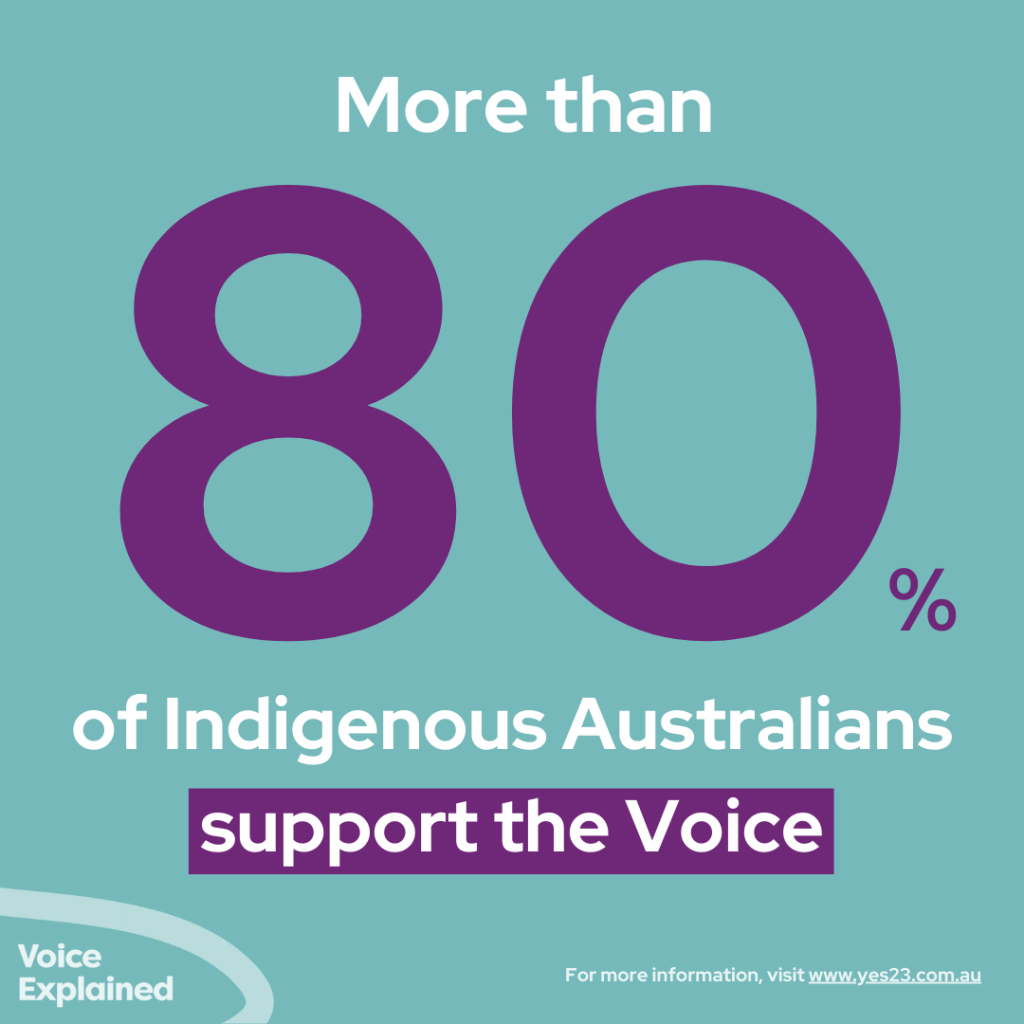
You already know the answer can’t be as simple as Yes or No, right? There’s 80% support, so that means there’s 20% who don’t support it.
It’s safe to say that the Aboriginal and Torres Strait Islander people who wrote the Uluṟu Statement and voted to present it to the government do want a Voice. They also want Marakatta, which is Treaty and Truth.
Not everyone at the final stage of the Uluṟu Statement process wanted it to be written that way though. In 2017, a group of 7 delegates and 30 supporters didn’t agree with how the process was run. So they walked out of the discussions once the options were narrowed down to two choices. Some other people in this group are the caretakers of the Aboriginal Tent Embassy and the organisers of the Invasion Day rallies in Melbourne.
It’s not that they didn’t want the Voice at all, it’s that they didn’t think it should be the first thing worked on. Their concerns are about ceding sovereignty and the need for a treaty first, maybe between the different mobs before one with the Australian government. Sometimes this group is called the Walkout Collective. Other people who agree with this position generally get called the “progressive No”, to separate them from the more conservative No voters.
I think it’s a pretty reasonable objection, and they make a good case. I’ll do another post on that once I’ve had a chance to dig into the detail.
Other Indigenous people are not interested in the Voice because they don’t trust governments to do it right. As far as I can tell from the conversations online, they think the Voice is a lovely idea but won’t work in the real world. Given the way that governments have treated Indigenous people before, this is also a pretty reasonable objection. There’s a long history of people with good ideas being ground down or deliberately trampled by the system.
But overall, the majority of delegates and supporters at the 2017 Uluru sessions came to a consensus on asking for the Voice first. And surveys taken earlier this year show really high support for it among Indigenous people more broadly.
An IPSOS poll in January showed 80% support from Indigenous people. IPSOS also run the Newspolls which show much lower support among Australians more generally. You can check the methodology of the IPSOS poll (PDF) if you want to see how it was run.
Another poll is from YouGov, which shows 83% support from Indigenous people (Word document with methodology statement). It surveyed a larger group of people, and polling experts said it was reliable.
Overall, Aboriginal and Torres Strait Islanders do want the Voice. Which is one of the main reasons I support it. A lot of people got together and did the hard work of putting forward a new idea for how to solve our problems together. I think I’d need to hear some pretty serious objections before I’d say no to their suggestion.
 Yes to the Voice